









Maintaining guest satisfaction during hotel staffing shortages has become one of the biggest challenges facing hoteliers. As travel demand returned after the pandemic, many hotels struggled to rebuild their workforce. As a result, service delivery changed, and guest expectations increasingly clashed with operational reality.
Labour shortages are not limited to one region. Instead, they affect hotels globally and continue to influence guest sentiment. Therefore, understanding how the hotel staffing crisis shapes the guest experience is essential for protecting satisfaction and online reputation.
Maintaining guest satisfaction during hotel staffing shortages: what changed?
Hotel labour shortages forced many properties to operate with fewer employees and reduced services. At the same time, employees often covered multiple roles, increasing pressure on remaining staff. Consequently, service consistency became harder to maintain.
Guests now frequently encounter:
- Fewer staff and managers on property
- Slower service and longer waiting times
- Optional or reduced daily housekeeping
- Shorter food and beverage opening hours
- Increased self‑service and automation
- Looser brand standards in some areas
Overall, these changes reshaped the pandemic‑era guest experience and remain visible today.
Guest sentiment and reviews during hotel staffing shortages
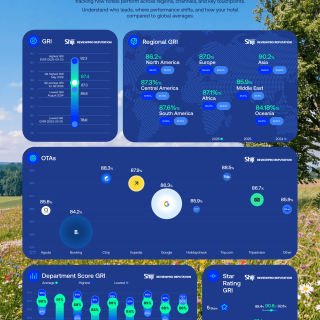
Maintaining guest satisfaction during hotel staffing shortages is especially difficult because review scores have declined. Analysis of review data from over 12,000 hotels shows that the Global Review Index (GRI) dropped by more than two points between 2019 and 2021. In addition, positive review mentions fell across key areas such as cleanliness, food and beverage, reception, and room experience.
However, the data also shows that hotels can respond effectively. Clear communication, close monitoring of guest feedback, and targeted improvements help reduce frustration. Finally, investing in staff support and guest‑facing technology can narrow the gap between expectations and service delivery.


